Blog
Welcome to our lab blog! Here, we offer a behind-the-scenes look at our work, sharing research insights, reflections on science in progress, and stories from our everyday scientific life.
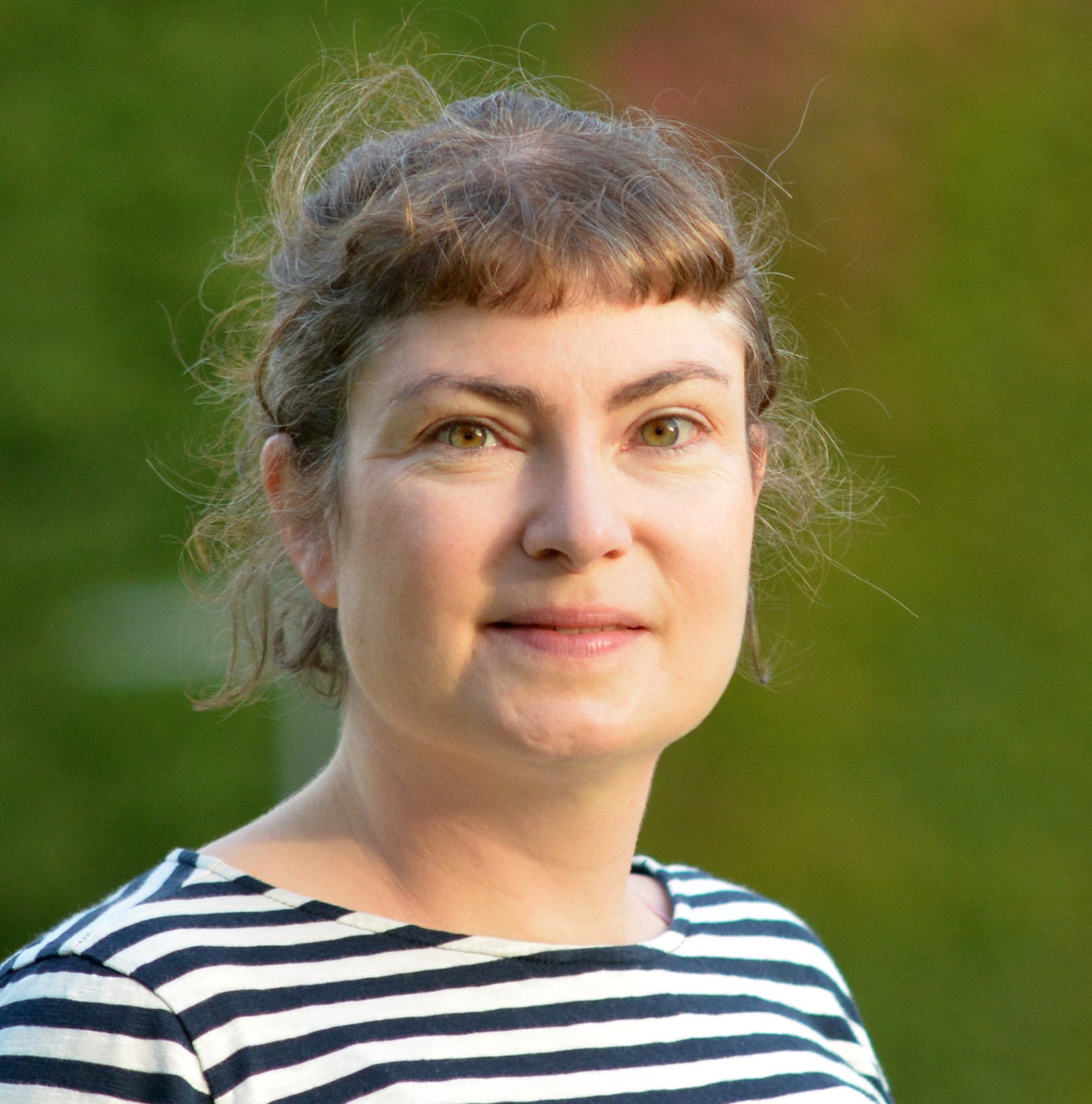
Part of our team attended this year’s Psychology and the Brain (Psychologie und Gehirn) conference in Heidelberg.
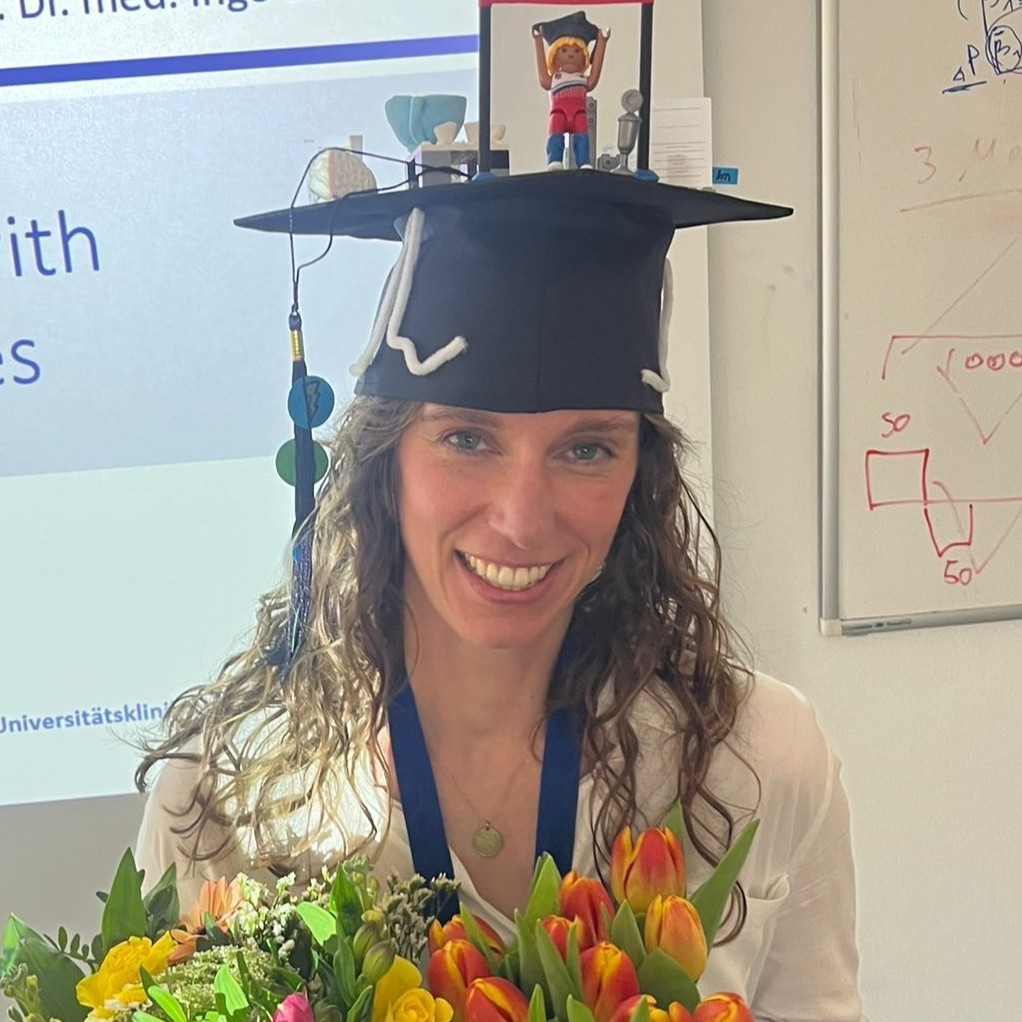

Today the fearbase team hosted its first fearbase hackathon.
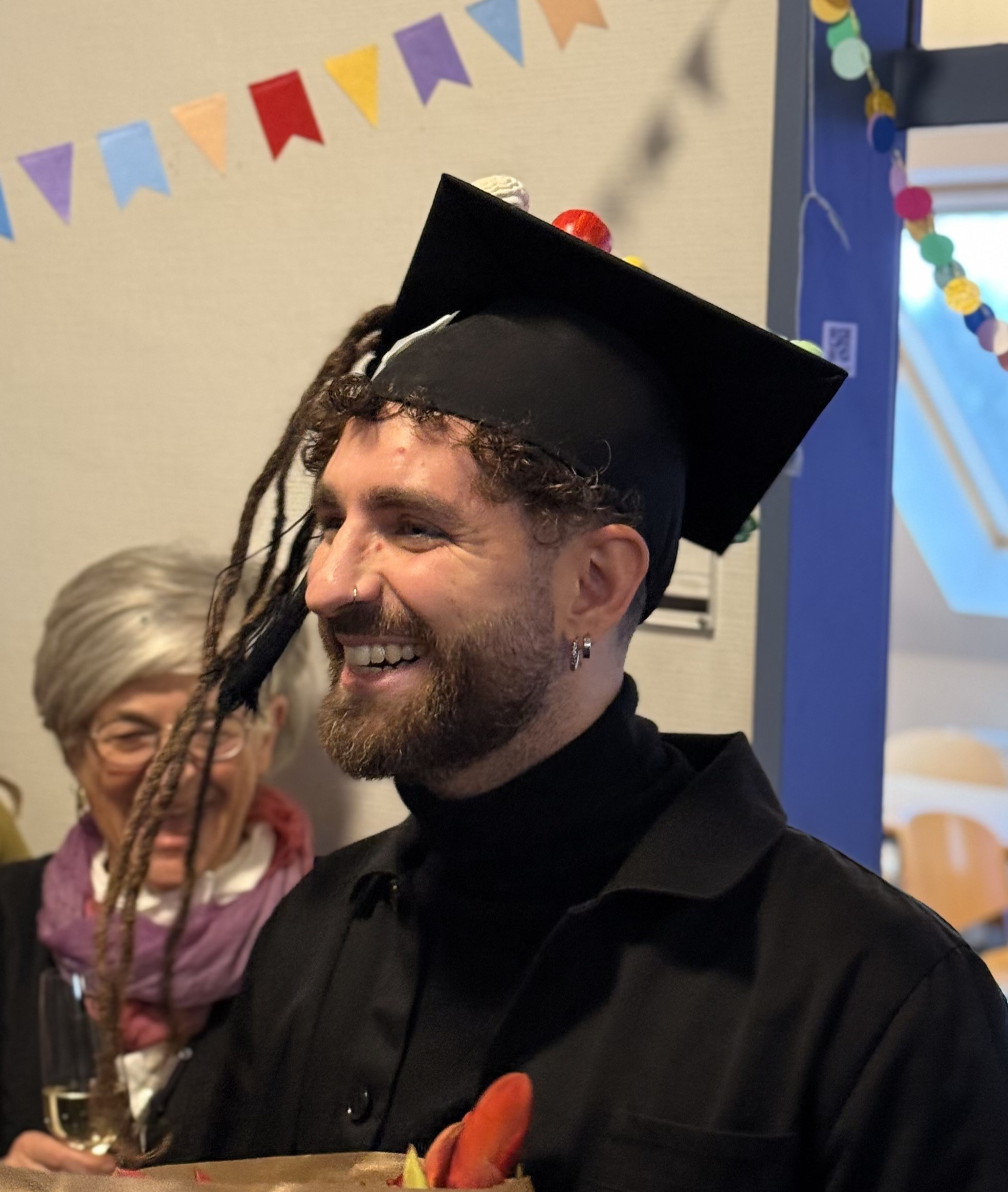
We are delighted that the German Research Foundation approved funding for continuing our work on the Fearbase project!

We were there - at this year’s Young Scientist Retreat.
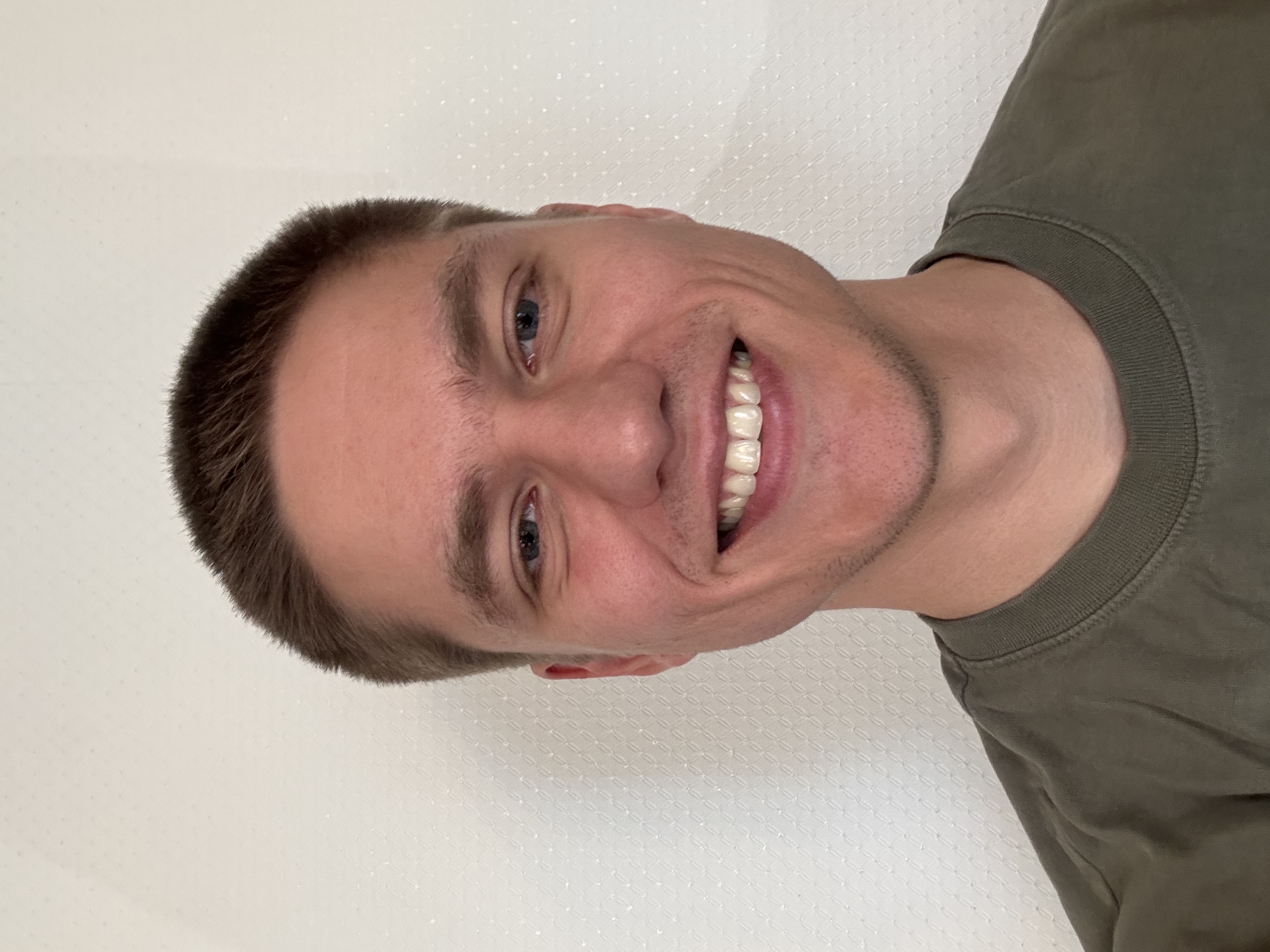
Paul joined out team as a PhD student at the Institute of Systems Neuroscience of the UKE Hamburg, where he will look into the effects of early adversity on fear and reward learning, including physiological and neural processes.
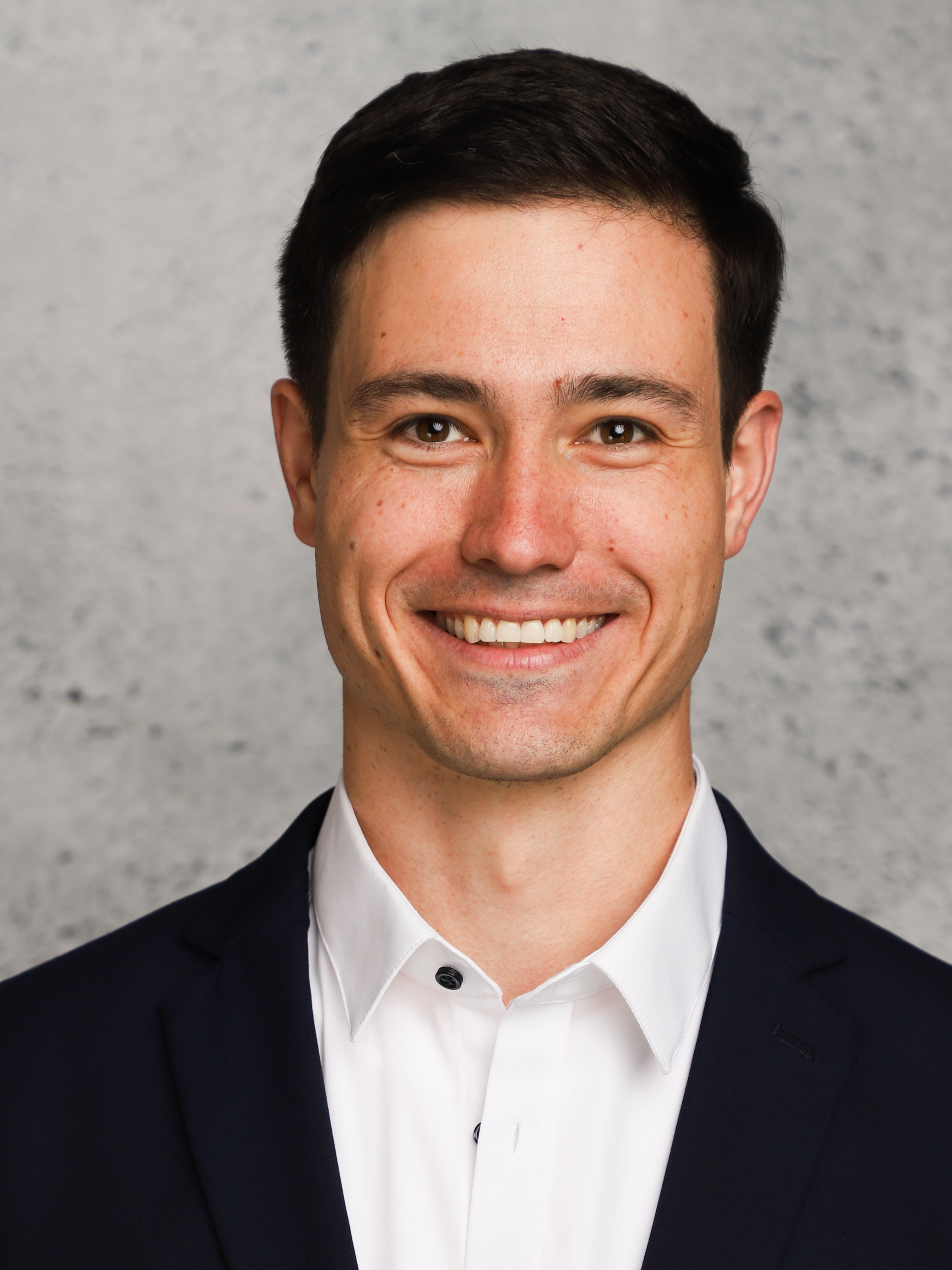
Conrad joined our team as a lab manager in September 2025. Hell will be responsible for maintaining and developing the lab infrastructure, as well as establishing a central hub for coordinating lab resources and the technical realization of research projects.
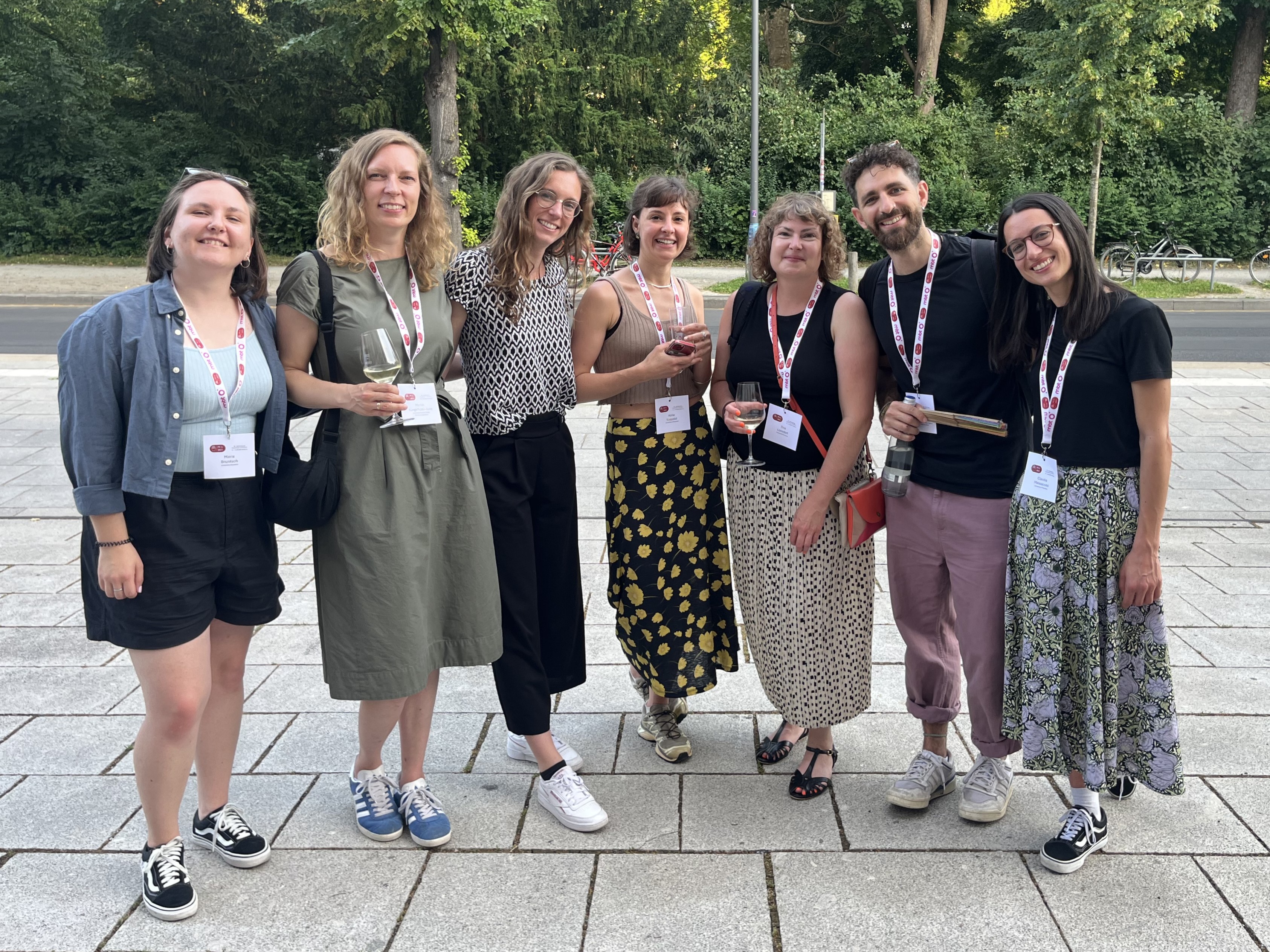
Parts of the lab attended the Psychology and Brain conference in Würzburg, Germany! Claudia, Julia, Maria and Maren presented posters and shared their work!
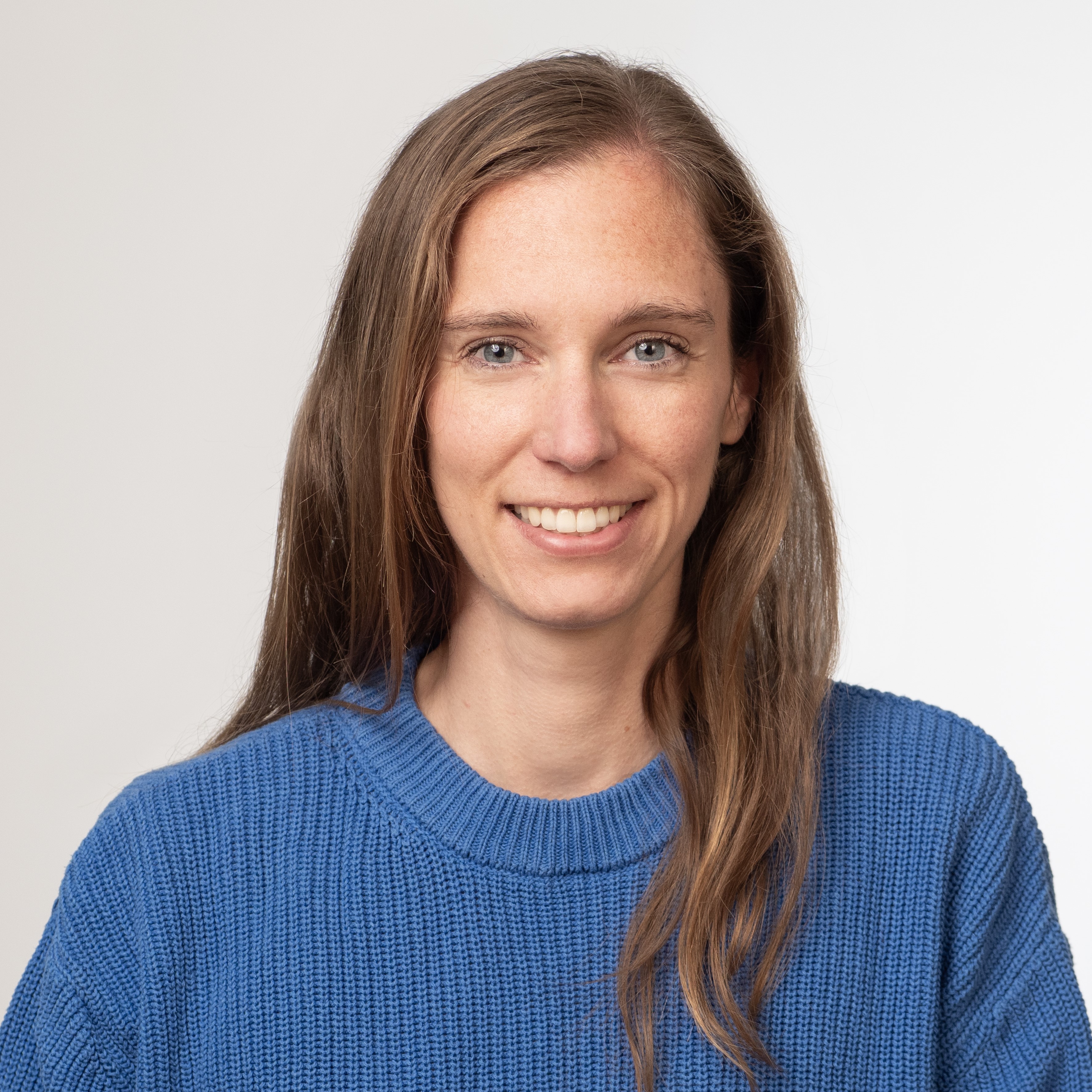
Julia awarded a 1-year transition position in the GRK Emotional Learning and Memory (Hamburg)! Congratulations Julia and well deserved!
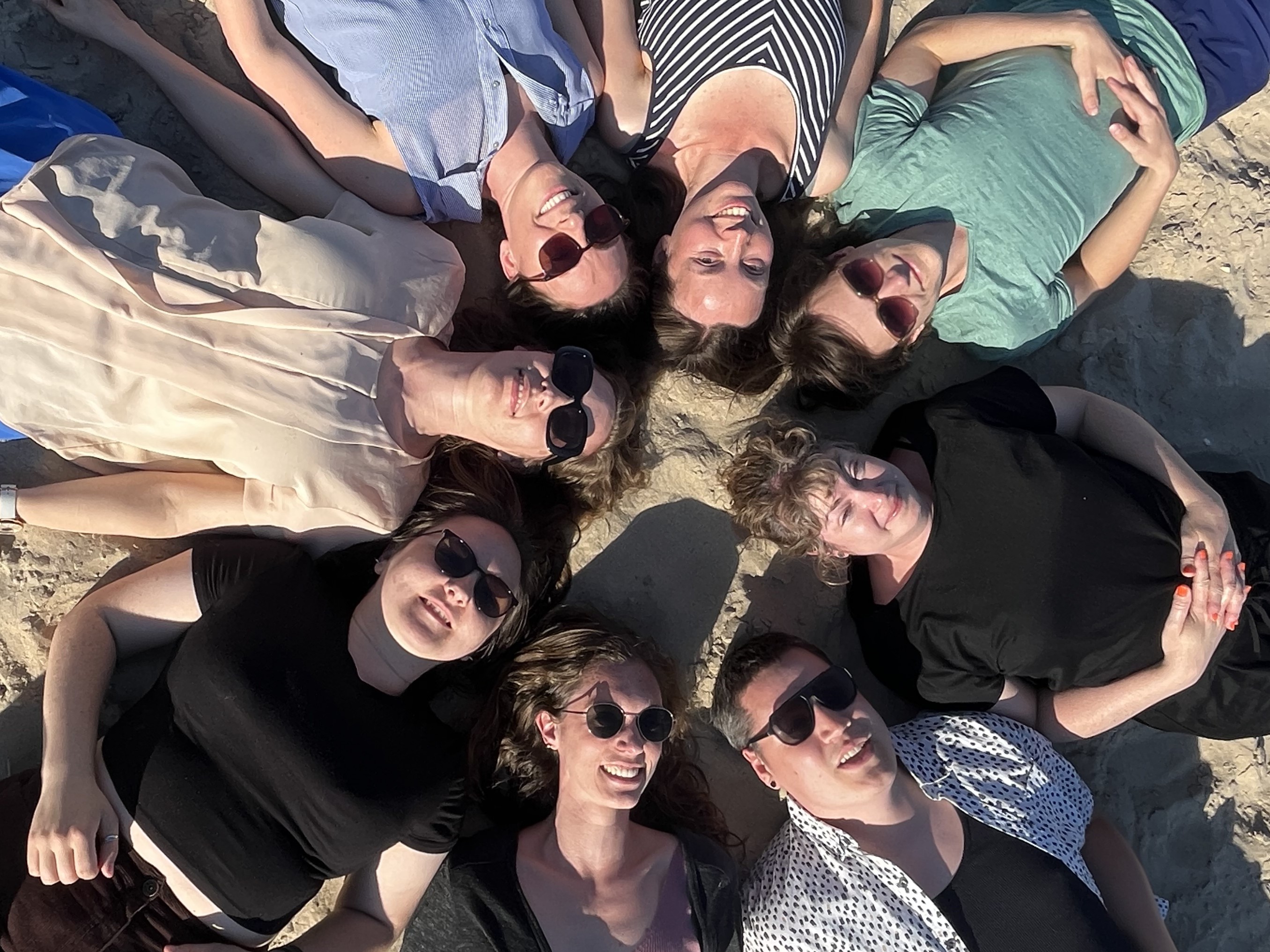
Most of the lab members attended the European Meeting on Human Fear Conditioning! Julia, Maria and Fritz presented posters and shared their work! In addition Maren organized a panel discussion on „Identifying and bridging translational gaps in fear conditioning research” and Tina took part in a panel discussion on „How to facilitate and organize collaborative interdisciplinary open-science research projects”
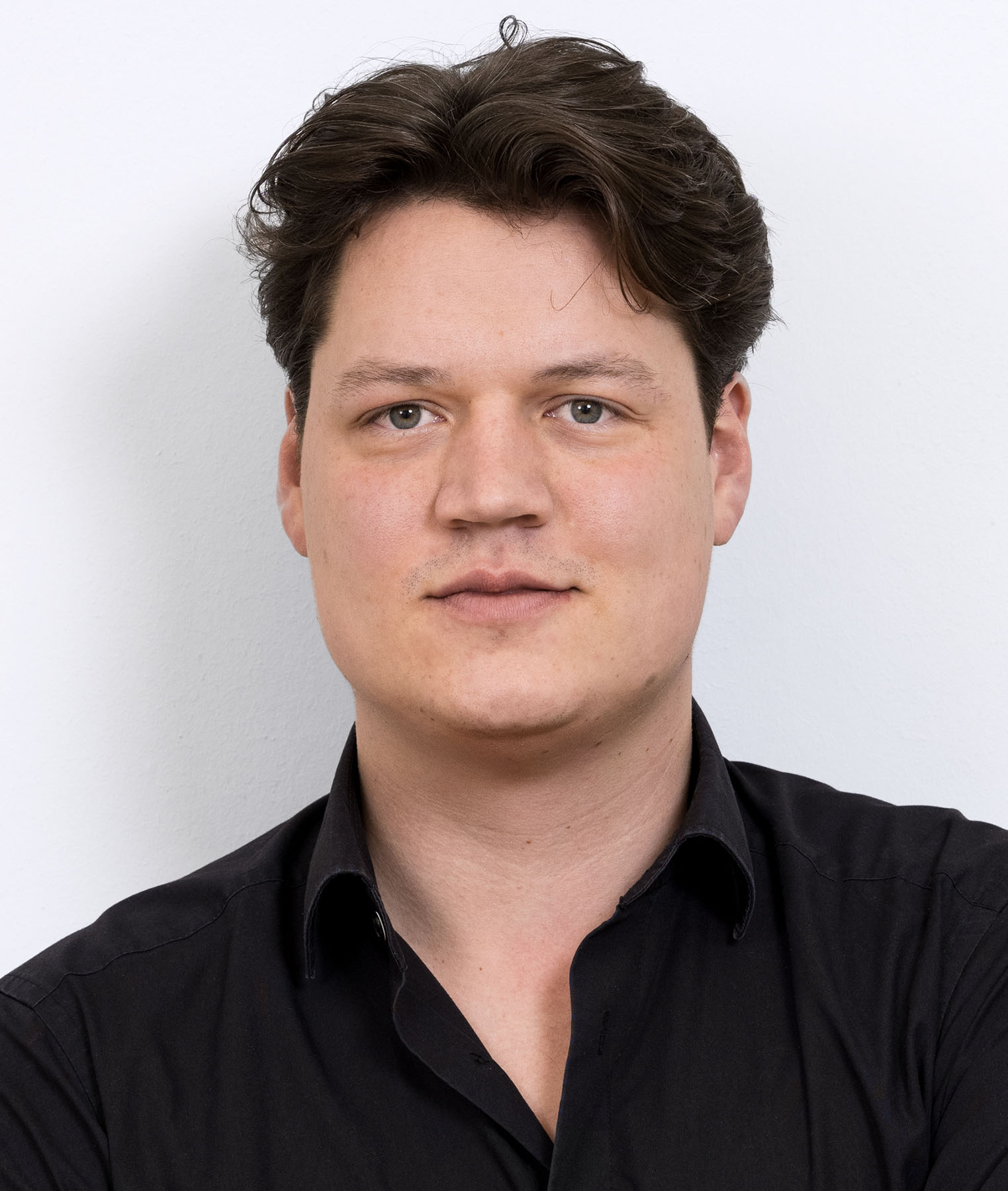
Fritz studied Psychology at the Johannes Gutenberg-Universität Mainz and joins us from the University of Tübingen, where he completed his PhD in experimental cognitive Psychology. Fritz will work on the FEAR BASE project and aims to set up living analyses as well as apply computational modelling to this large resource of data in fear conditioning research.
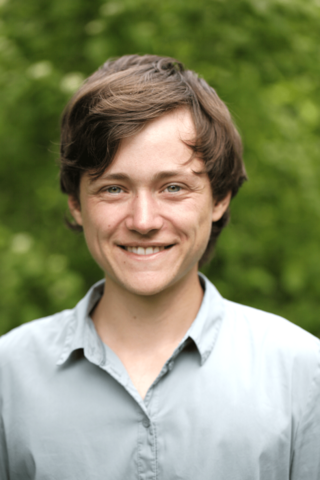
Lennart joins us from the University of Innsbruck, where he studied Psychology with a minor in Digital Science. Lennart will work on individual differences in fear conditoning reserach using data-driven analyses